


Classical Roundup–March 30th, 2018
The Classical Roundup is a group of worthwhile articles, videos, and podcasts that I have found helpful on our journey of exploring classical Christian education in the 21stcentury. What is classical Christian education? And why is it so important? Dr. Steve Turley explains what classical Christian education is really all about. Paul David Tripp tackles the question as to what is the daily … Continue reading Classical Roundup–March 30th, 2018

The Adulteress: Guarding Your Students From Her Destruction
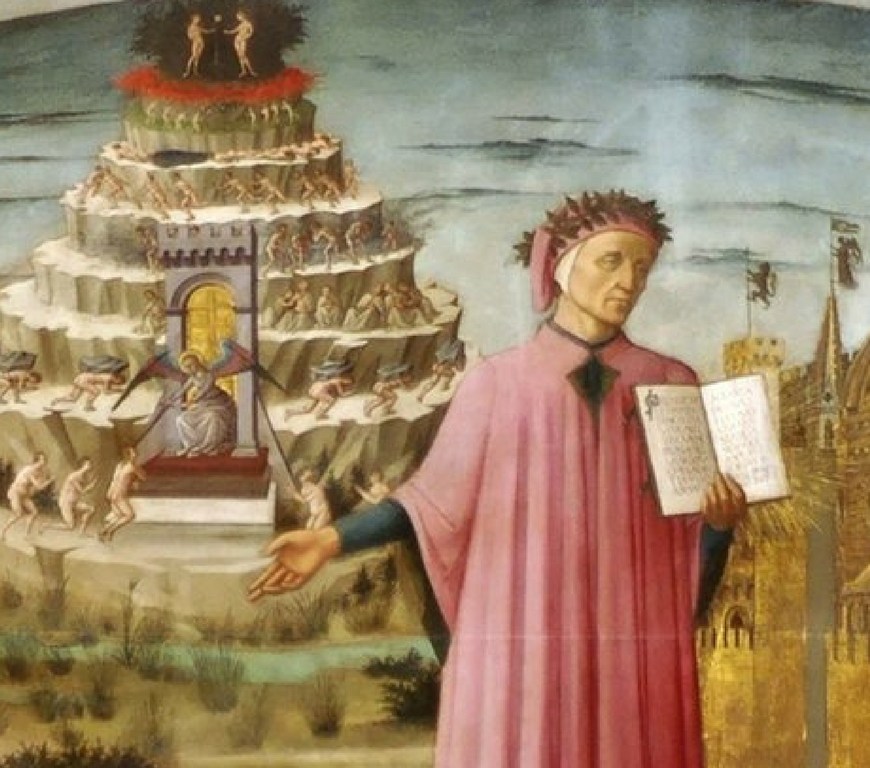
“O race of men, born to fly heavenward, how can a breath of wind make you fall back?” The Divine Comedy: Purgatorio Canto XII, lines 95-96 The above lines reiterate the oft-repeated and self-incriminating truth that the heart of man is corrupt, quickly returning to the entanglements of sin (Heb. 12.1). The greatest enemies of man are the sin planted deep in their hearts (Jer. … Continue reading The Adulteress: Guarding Your Students From Her Destruction


When God Waves Goodbye: Crane’s Theme of the Indifference of God in “The Open Boat”
In his short story “The Open Boat,” Stephen Crane tells a tale that centers around four men in a small dinghy, attempting to reach land after a shipwreck. Sura Rath and Mary Shaw write that “[a] commonplace of Crane criticism is to read ‘The Open Boat’ as a classic story of man’s battle against the malevolent, indifferent, and unpredictable forces of nature” (3). Many of … Continue reading When God Waves Goodbye: Crane’s Theme of the Indifference of God in “The Open Boat”


The Great Divorce: The Problem of Pride and Its Impact on the Separation between Heaven and Hell
The Great Divorce is perhaps one of C. S. Lewis’s most creative works, but it remains also one of his lesser known books. Lewis, himself, in his preface to the book, calls The Great Divorce a “small book.”[1] In spite of its brevity, The Great Divorce has several theological implications, especially with respect to heaven, hell, and the nature of sin. I hope in this … Continue reading The Great Divorce: The Problem of Pride and Its Impact on the Separation between Heaven and Hell
Classical Roundup–March 30th, 2018
The Classical Roundup is a group of worthwhile articles, videos, and podcasts that I have found helpful on our journey of exploring classical Christian education in the 21stcentury. Today’s group of links are an Easter edition. The Final Week of Jesus Each day this week Justin Taylor is posting a video on what happened during the original Easter week. These are a great daily … Continue reading Classical Roundup–March 30th, 2018
Book Review: Dwelling on Delphi: Thinking Christianly about the Liberal Arts
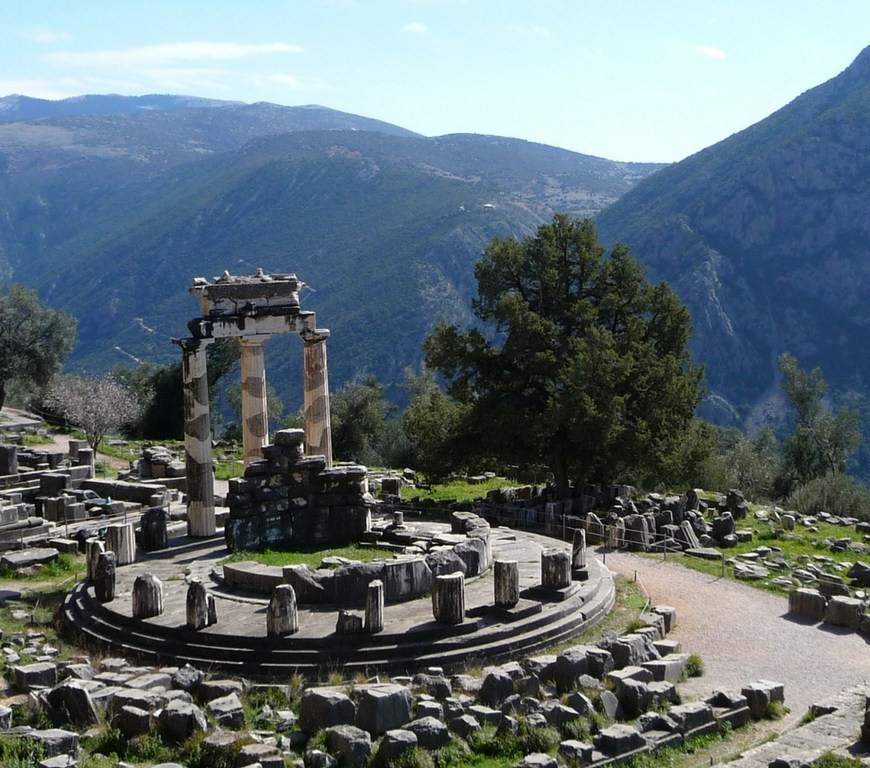
By Christine Norvell I found when I first visited with Dr. Robert Woods by phone in 2011 that he had a winning way. I was simply calling to learn more about the Great Books graduate programs at Faulkner University in Montgomery, Alabama. I told myself I was just investigating, but by the time our conversation ended, I found myself agreeing with his pivotal question, “When … Continue reading Book Review: Dwelling on Delphi: Thinking Christianly about the Liberal Arts


Puritan Punishment: Chillingworth as Hawthorne’s Prophet
In his defining work The Scarlet Letter, Nathaniel Hawthorne writes a story based upon an act of adultery between Hester Prynne and Reverend Arthur Dimmesdale. Rather than merely writing a story about adultery, however, Hawthorne uses symbolism in the form of a reference to another famous act of adultery in order to present an even bigger issue about his contempt for Puritan punishment. Hawthorne writes … Continue reading Puritan Punishment: Chillingworth as Hawthorne’s Prophet

Be a Bee
by Sara Osborne One of the beauties of classical education is its aim to take students deep in the quest for knowledge. We live in a world in which “all that glitters is not gold” and students are bombarded by false messages masquerading as truth. Part of our task as teachers and parents is to prepare our students to mine beneath fancy rhetoric in order to … Continue reading Be a Bee

The Historical Imagination (Landscape of History Series #3)
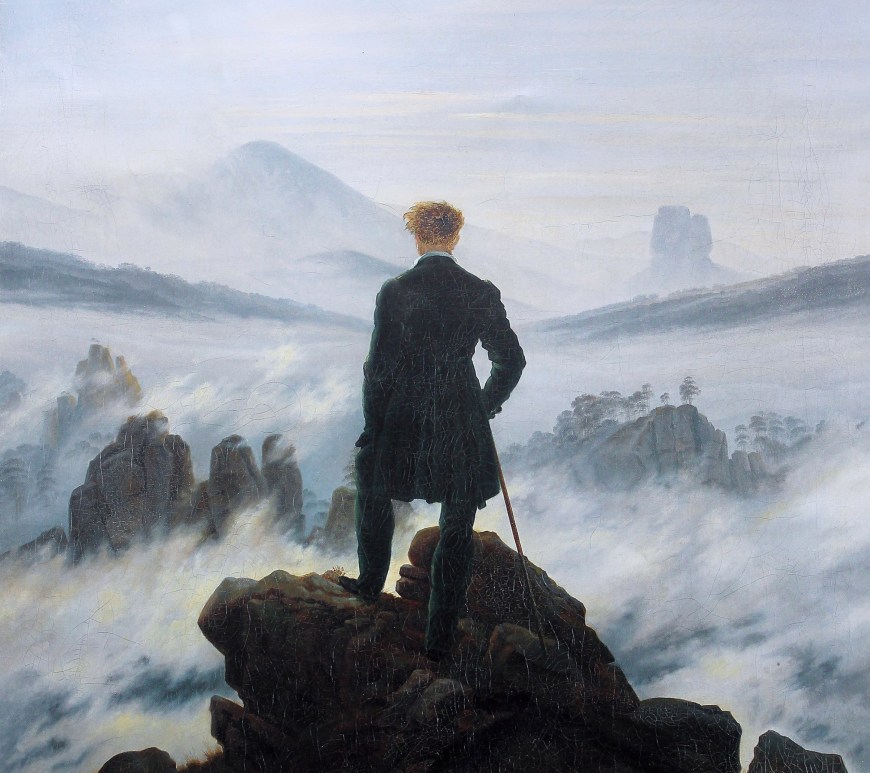
You can read the first two articles in this series at the following links: “The Purpose of Studying History and the Method of the Historian (Landscape of History Series #1)” “The Teacher, Like the Historian…” (Landscape of History Series #2)” In chapter 2 of The Landscape of History, John Lewis Gaddis discusses time and space, which he identifies as “the field in which history happens … Continue reading The Historical Imagination (Landscape of History Series #3)

The Best Shakespeare Story Ever
By Christine Norvell It was a classic when it was first published in 1949, but it remains a classic because it is one-of-a-kind. Marchette Chute’s Shakespeare of London[1] absolutely is the best biography because of her approach. Chute essentially crafted the story of Shakespeare’s life from a paper trail, from wherever she could find town records, lease arrangements, tax papers, theatre programs, personal letters, and … Continue reading The Best Shakespeare Story Ever
Classical Roundup–March 16th, 2018
Scott is in Europe, so I (Kyle) am posting on his behalf. I thought it might be fun as Scott takes our School of the Ozarks’ senior class to Greece and Italy to share some pieces we have published from our previous S of O graduates. This week’s Classical Roundup, then, features some of our favorite pieces from former students. Christian Lingner “Life as Maintenance: A … Continue reading Classical Roundup–March 16th, 2018

The New Philistine; Objective Polemicist
By Dan Snyder “Finally, be strong in the Lord and in the strength of his power. Put on the whole armor of God, so that you may be able to stand against the wiles of the devil. For our struggle is not against enemies of blood and flesh, but against the rulers, against the authorities, against the cosmic powers of this present darkness, against the … Continue reading The New Philistine; Objective Polemicist
 The Classical Thistle