



Loosen Your Bow Strings
By Jenni Carey, School of the Ozarks I am currently taking a class over the writings of Herodotus and Thucydides.[1] Along with the enjoyment of reading Herodotus’s unique narrative style (a delightful mix of literature, poetry, geographical description, and historical events) I am finding nuggets of wisdom and truth, quite valuable to those of us trying to survive in the world of classical Christian education … Continue reading Loosen Your Bow Strings


Is Repairing the Ruins Our Goal?
Back in the spring I had an excellent conversation with another classical Christian educator who asked whether we were right to define our endeavors along the lines of John Milton’s idea that we were repairing the ruins of Adam and Eve so that we might love and imitate God. This educator proposed that, as Christians, although this was our goal in the Christian life, our … Continue reading Is Repairing the Ruins Our Goal?


Nexus Notes–October 6, 2017
A nexus is a series of connections linking two or more things. These notes are dedicated to linking us to great content elsewhere out on the web. Vision of the Good Life – Great video from Craig Dunham of Petra Academy addressing human flourishing and what the vision of the “Good Life” is. K-12 then to College – Who made this up? Does it even … Continue reading Nexus Notes–October 6, 2017

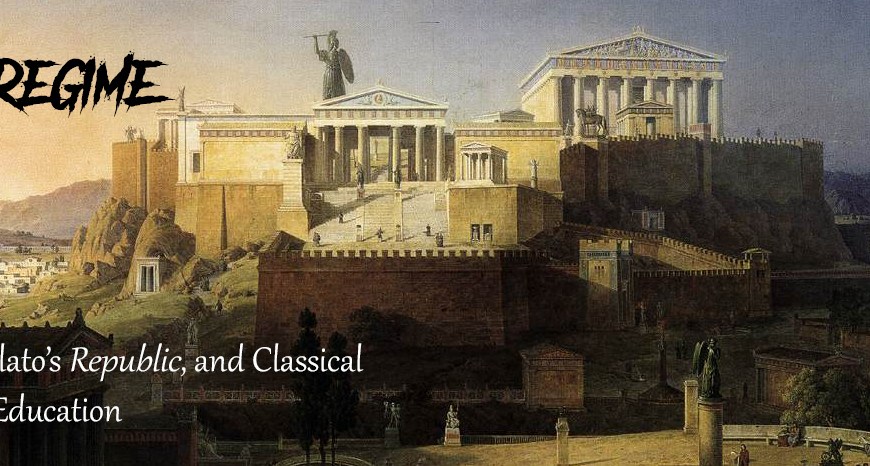
Burn Before Reading (and Other Activities to do with History Textbooks)
This blog will serve as the introduction to a new series of blogs that I will be producing over the next several weeks. The series is called The Regime[1]. It will be focused on applying the dialectic of Socrates in Plato’s Republic to classical Christian education. For those familiar with the Republic, you may see how the below relates to the allegory of the cave. … Continue reading Burn Before Reading (and Other Activities to do with History Textbooks)

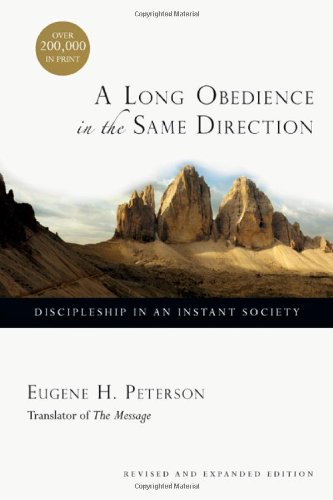
Eugene Peterson (Book Blurbs)
This is an insightful book on the goals and practice of reading Scripture. Using the vision of John’s revelation where he eats the scroll, Peterson argues that spiritual reading (lectio divina) must lead to not only reading but also living the text. Although some practices are less clearly outlined from a practical approach, Peterson’s overall framework and exhortation to practice spiritual reading are helpful and … Continue reading Eugene Peterson (Book Blurbs)

Why are We Teaching a Dead Language? Latin’s Ability to Transform Students
By Jenni Carey, School of the Ozarks It happens every year. Some student or parent comes to me, the K-8 Coordinator of our small classical Christian school, with a daunting and urgent concern. Why do we torture our poor students by forcing them to sit through Latin classes? Isn’t Latin a dead language? What possible practical benefits could students be acquiring from learning a language that … Continue reading Why are We Teaching a Dead Language? Latin’s Ability to Transform Students

Monday Musings (October 2, 2017): Meditating on the Great Books—Some Practical Steps
The past several weeks I have been exploring the notion of meditation,[1] first upon Scripture, but then suggesting that this could apply to the Great Books as well, albeit with a different authority. One of the ways we can meditate on the Great Books is by recognizing that we are not passive recipients of the Great Books but actually active participants in the same story … Continue reading Monday Musings (October 2, 2017): Meditating on the Great Books—Some Practical Steps
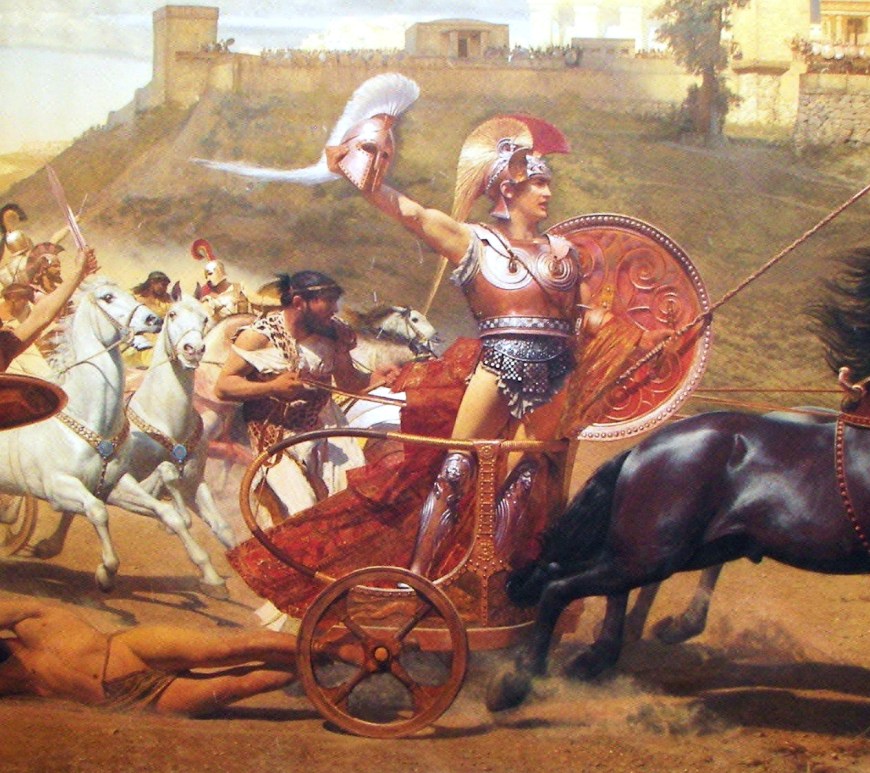
Hateful Achilles
By Dan Snyder, Classical School of Wichita Hateful Achilles When we talk about prospects of life for a student who has chosen the humanities as a course of study, we always fight the headwind of pragmatism that pushes toward the question “but what will they do?” Most young people are concerned with joining the adult world, whatever that may be, and they covet the signs … Continue reading Hateful Achilles

The Ultimate Harry Potter and Philosophy (Book Blurbs)
After years of wanting to read the “and Philosophy” series I was not disappointed. Although some articles are less intriguing or convincing, the majority of the essays are thought-provoking, well-written, and genuinely insightful. Reading this book gives not only deeper insight into the brilliance of Rowling’s series, but it also provides a much needed refresher in philosophy and led to many occasions of thoughtful reflection … Continue reading The Ultimate Harry Potter and Philosophy (Book Blurbs)

Sincerity, Silence and Stability: Cordelia’s Embodiment of Wisdom in King Lear
By Jenni Carey, School of the Ozarks In Act I of Shakespeare’s King Lear, Goneril and Regan, Lear’s eldest daughters, choose to humor their aged father with embellished, empty expressions in order to gain wealth. Cordelia, however, sets her speech apart from the flattery of her sisters by speaking simply and honestly from her heart. For this, she loses her inheritance and suffers the wrath … Continue reading Sincerity, Silence and Stability: Cordelia’s Embodiment of Wisdom in King Lear

Monday Musings (September 25, 2017): Meditation as Participation
Last week I considered how we have tamed God’s Word instead of eating it. This week I continue the theme of meditating on the written word. One of the better insights of Eugene Peterson’s excellent book, Eat This Book: A Conversation in the Art of Spiritual Reading, is his proposal that spiritual reading is “participatory reading.”[1] He uses the illustration of a period of life … Continue reading Monday Musings (September 25, 2017): Meditation as Participation
Nexus Notes–September 22, 2017
A nexus is a series of connections linking two or more things. These notes are dedicated to linking us to great content elsewhere out on the web. Philippians 1:9–11 // Learn to Delight in Excellence – John Piper dissecting Philippians passage in his series Look at the Book. “Our neighborhoods need men and women who delight in beauty not pornography, excellence not crudity, Christ and … Continue reading Nexus Notes–September 22, 2017
 The Classical Thistle