




St. Bonaventure, On the Reduction of the Arts to Theology (Part 1)
One of the more helpful books I read last year on education was St. Bonaventure’s On the Reduction of the Arts to Theology. Over the course of the next couple months I hope to write a series of posts on this book. Each post will provide a brief summary of the content followed by reflections on how his insights in the 13th century can help … Continue reading St. Bonaventure, On the Reduction of the Arts to Theology (Part 1)


Wake the Dead with Air Guitars: Adventures in Training 3-Year Old’s in Virtue
By Nathan Carr Vigen Guroian, in his Tending the Heart of Virtue, quotes Flannery O’Connor as having said the following: “a story is a way to say something that can’t be said any other way….You tell a story because a statement would be inadequate.” You are inviting the eye-roll in your three-year old classroom if you simply said, “Olive Kate, you are resisting my role … Continue reading Wake the Dead with Air Guitars: Adventures in Training 3-Year Old’s in Virtue

Teaching the Atonement, Part 4: Some Conclusions
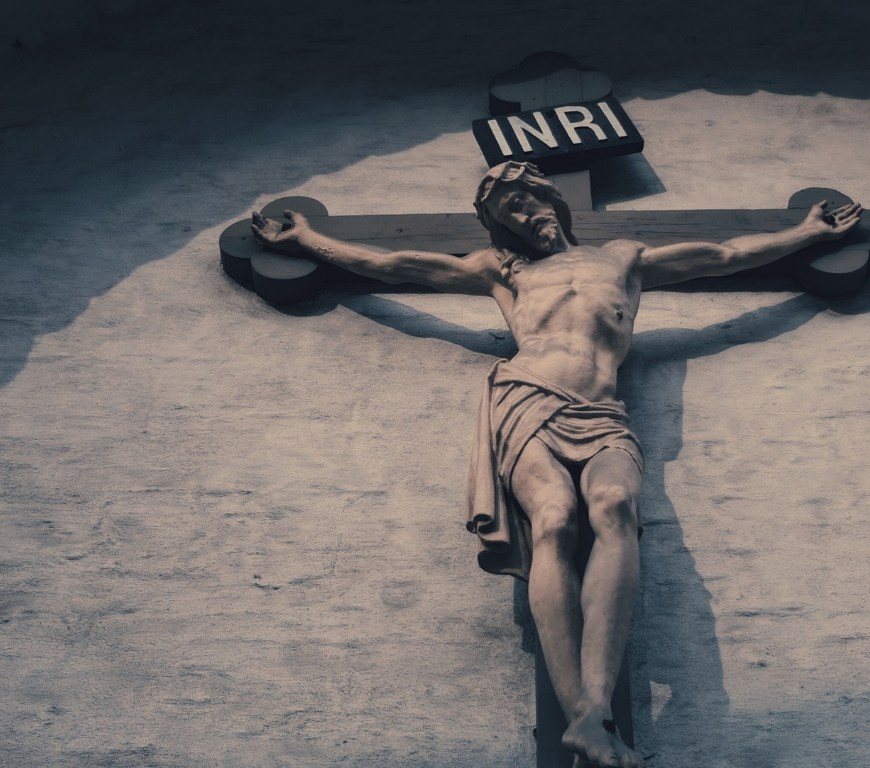
One of the more overlooked aspects of atonement theories is the importance of the resurrection. Paul says in 1 Corinthians 15:17 that if Christ is not raised then “your faith is futile and you are still in your sins.” Here I think we have a possible aid to our assessment of atonement theories. To Paul, Christ’s death apart from his resurrection makes nonsense of Christ’s … Continue reading Teaching the Atonement, Part 4: Some Conclusions

Teaching the Atonement, Part 3: Pedagogy
In the two previous posts I discussed the discord in my students that led me to teach an atonement unit, as well as the transparency I shared about my own struggles and some of the initial questions that I, as well as my students, asked and to which we desired answers. In designing the means by which I would instruct these students—that is, the question … Continue reading Teaching the Atonement, Part 3: Pedagogy

Teaching the Atonement, Part 2: Transparency
I have found that one of the most effective things I can do as a teacher is be transparent with my students. When I am willing to share with them areas of struggle in my own thinking, I think they gather encouragement that they are not alone in their confusion. I can sympathize with their intellectual weaknesses. But I think they also find encouragement in … Continue reading Teaching the Atonement, Part 2: Transparency

Teaching the Atonement, Part 1: Discovering Discord in My Students
As we enter April and Good Friday and Easter are only a few away, it seems a good time to share some experiences from a recent unit I taught on the atonement. I hope this four-part series proves helpful for you in your teaching, but I also hope it serves as a way to prepare your heart for the remembrance of Christ’s sacrifice and the … Continue reading Teaching the Atonement, Part 1: Discovering Discord in My Students
The Necessity of Community (Reflections on B. B. Warfield’s The Religious Life of Theological Students #6)
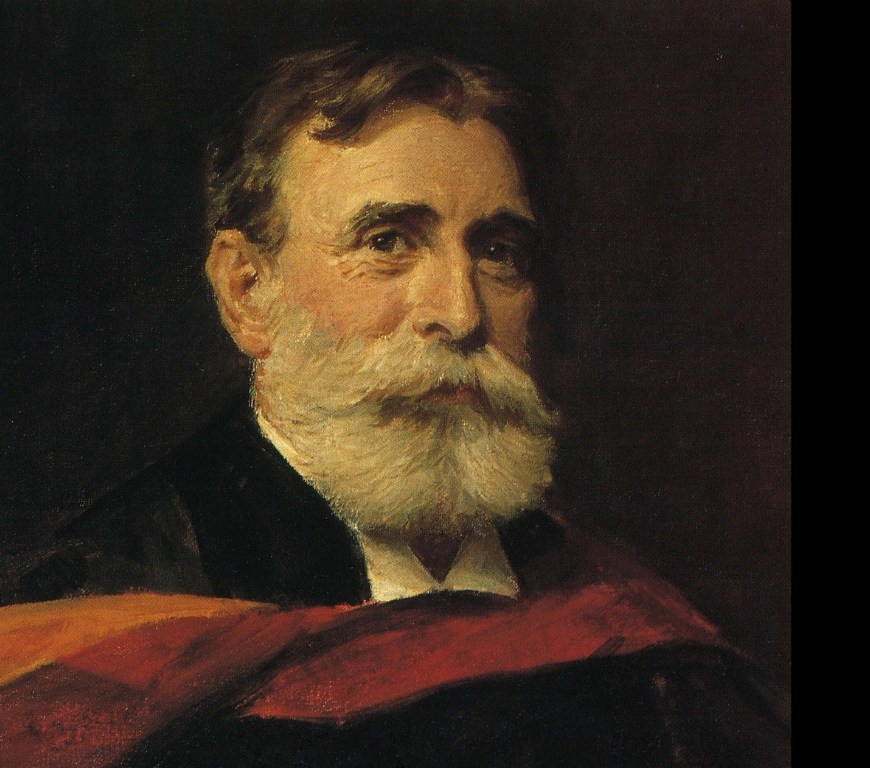
Classical Christian education rightly places God at the center of the student’s education. Yet the emphasis on God in the education could have the unintended consequence of causing students to think that their education in Scripture and theology makes involvement in the local church unnecessary. Few go to such an extreme position as to have no involvement, but I have seen students who begin to … Continue reading The Necessity of Community (Reflections on B. B. Warfield’s The Religious Life of Theological Students #6)
A Vocation of Education for Teachers and Students (Reflections on B. B. Warfield’s The Religious Life of Theological Students #5)
In their pursuit of the American dream, many often speak of jobs and careers that will help them achieve their goals. What we have lost in this pursuit, however, is the older notion of vocation. A vocation, a calling, has much richer and deeper biblical roots than careers. One of the important roles of classical Christian education, I believe, is recapturing the notion of vocation, … Continue reading A Vocation of Education for Teachers and Students (Reflections on B. B. Warfield’s The Religious Life of Theological Students #5)

Mere Mediocrity
By Nathan Carr Tim Wu, a Columbia professor who has written an editorial or two for The New York Times, is concerned that America is losing her hobbies—more alarming, leisure altogether. To blame: “We’re afraid of being bad at them….if you’re a jogger, it is no longer enough to cruise around the block; you’re training for the next marathon. If you’re a painter, you are no longer … Continue reading Mere Mediocrity

Storing Up Treasures in the Grammar Stage
I’ve been reflecting recently on the essential work of storing up language in children. I don’t mean merely learning individual phonics sounds or word families or even isolated vocabulary words. No, this important exposure to words is deeper than that. In her book, Proust and the Squid, author Maryanne Wolf highlights the significance of a child’s exposure to the language of ideas at a young … Continue reading Storing Up Treasures in the Grammar Stage


The Reality of Truth
By Jenna Carey, College of the Ozarks freshman and 2018 graduate of School of the Ozarks Coming from a classical education background, universal truth was ingrained in me as a foundational reality. When people ask if truth changes based on perspective, my initial reaction is to reply, “Of course reality doesn’t change. There’s only one truth and whether or not you accept it is up … Continue reading The Reality of Truth
Bringing Christ to Class (Reflections on B. B. Warfield’s The Religious Life of Theological Students #4)
For all of its incredible benefits, classical Christian education can be dangerous. If we educate students to be excellent thinkers and communicators but they fail to learn virtue, we have created monsters. Among these dangers, I think two lie before students in classical Christian education with special respect to their faith. The first danger is that students learn a lot of truth about God but … Continue reading Bringing Christ to Class (Reflections on B. B. Warfield’s The Religious Life of Theological Students #4)
 The Classical Thistle