Five I’s for the iGen

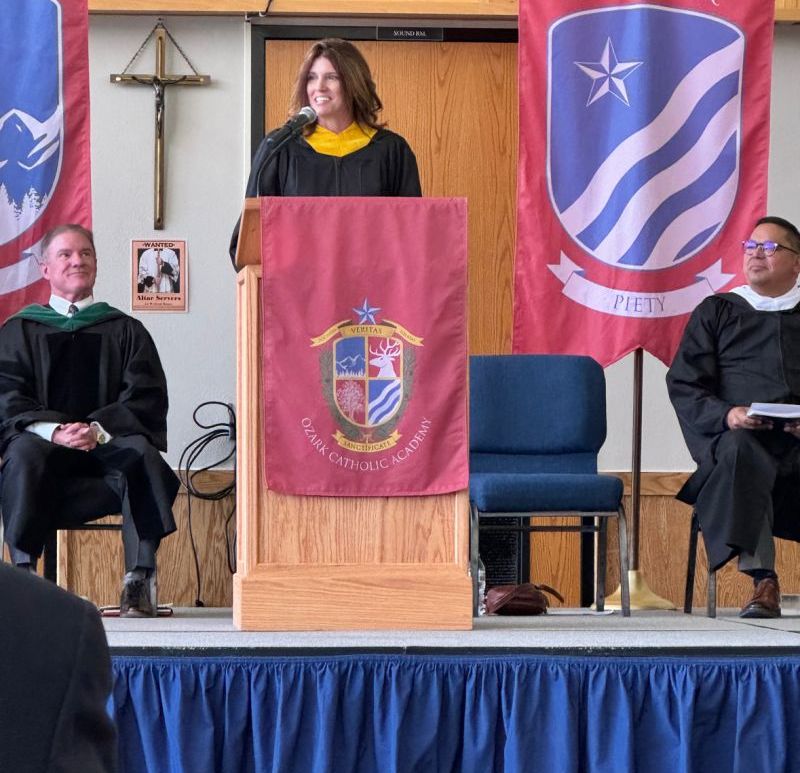
 Five I’s for the IGen: Imagination, Introspection, Integrity, Intentionality, Incarnate Carrie Eben, MSEd, Ozark Catholic Academy Commencement, May 18, 2024, St Raphael Catholic Church, Springdale, Arkansas Thank you, Mr. Rocha, for asking me to speak. It is a great honor to be a part of the Ozark graduating class this year. I have watched Ozark Academy grow since 2018, and I have been honored to … Continue reading Five I’s for the iGen

The Unmighty Aphrodite: Lessons from the Goddess-Mother

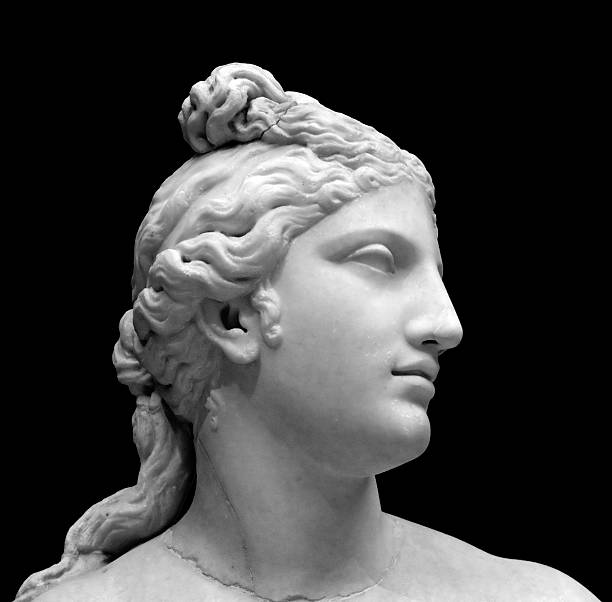
By Carrie Eben, http://www.classicaleben.com Mothers are many things, but they are not goddesses. Aphrodite was both. During my apprenticeship journey with CiRCE, I observed this goddess-mother. At first, I was angry and harshly judged her actions, but I came to realize I had more in common with her than I originally realized. Don’t think I am referring to her beauty. If only. Uncomfortably, it was … Continue reading The Unmighty Aphrodite: Lessons from the Goddess-Mother

Get Thee to a Classical Education Conference!

By Carrie Eben The church is meant to be a body of Christian believers to encourage each other in their faith. Just as Christ’s body of believers gather to fellowship and edify each other around a common belief, classical Christian educators have opportunities to come together and share the same liturgies of Christian education. Although each church, or group of believers, looks different, they all … Continue reading Get Thee to a Classical Education Conference!

Assessment for the Classical School, Part 3: Facts, Skills, or Ideas?

By Carrie Eben, guest author In the first article in this series, I related the importance of assessment aligning with the purpose of a classical education. The purpose of a classical education is leading a student toward intellectual skills and virtue. This alignment happens best when education takes a contemplative posture which Josef Pieper calls, leisure, or rest (schole). In the second article of this … Continue reading Assessment for the Classical School, Part 3: Facts, Skills, or Ideas?

Assessment for Classical Schools, Part 2: Relationship, Soul-Orienting Conversations, and Types of Assessors

By Carrie Eben, guest author In the last article about classical assessment, I discussed that assessment needs to align with the purpose of classical education—which is growing in intellectual skill and virtue.  This is achieved through a contemplative posture of what Josef Pieper calls “leisure,” otherwise known as “schole” or rest.  While this sounds beautiful, what are the important components for contemplative growth in a … Continue reading Assessment for Classical Schools, Part 2: Relationship, Soul-Orienting Conversations, and Types of Assessors

Assessment for Classical Schools, Part 1: A Philosophy of Leisure

By Carrie Eben, guest author Every time I teach a seminar on authentic assessment for classical teachers and homeschool parents, I begin by asking the question, “What is the purpose of education?” following up with, “Who do you want your students to be when they leave your school/home? Without fail, teachers and parents, give answers such as “Lifelong and autonomous learners,” “A person who loves … Continue reading Assessment for Classical Schools, Part 1: A Philosophy of Leisure

Prometheus or Prodigal? Aristotle on Einstein

By Brianna Kelly, Guest Author What has changed in natural science from the time of the ancient Greeks? The popular caricature sketches ancient science as a primitive, feeble natural fiction with little relevance to today’s students and scientists. In this narrative, Aristotle and the ancients groped stupidly in the cold dark until modern demigods such as Einstein delivered the hidden fire of truth to mortals. … Continue reading Prometheus or Prodigal? Aristotle on Einstein

The Educator as Sherpa

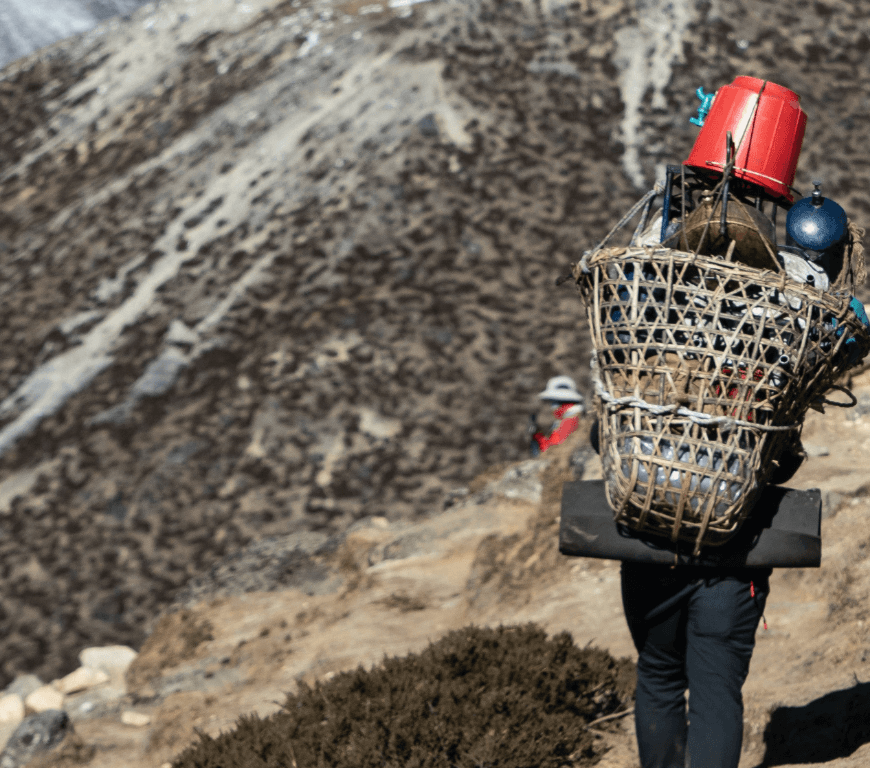
By Jarred Pike, Guest Author In the formidable landscape of learning, students need an advocate who has scaled the ridge for themselves. Sherpas have gained renown for providing specialized support for foreign trekkers and mountain climbers. The Tibetan people who live on the Himalayan slopes serve as apt models of effective teaching in large part because climbers’ lives depend on it. The personal relationship between … Continue reading The Educator as Sherpa

It Sounds Like Singing

By Kelly Garrison, Guest Author It sounds like singing! As a description of sound, singing most often refers to the human voice. Birds chirp and machines whine, but people sing. In terms of creation, people are sacredly set apart and created to know, understand, and seek. For the Children’s Sake reminds us that Charlotte Mason specified children as persons, and in her teachings she respected … Continue reading It Sounds Like Singing

Climbing Trees

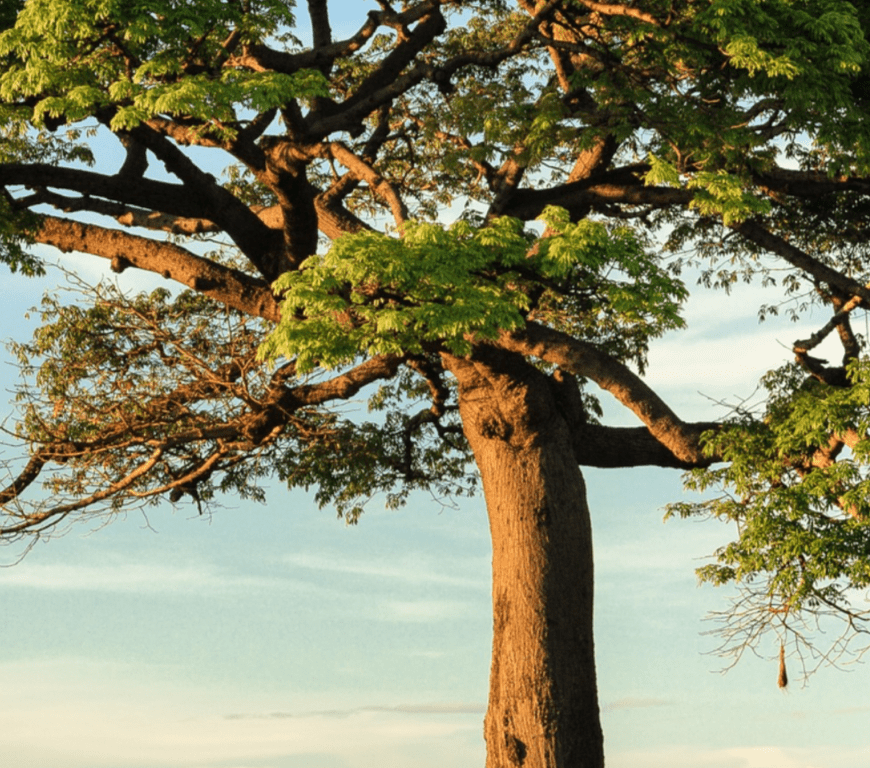
By Christine Norvell, Guest Author Since we’ve moved to Siloam Springs, I’ve spent plenty of time watching my cat happily climb the old dogwood tree by our garage. Bark chips off as he climbs higher. He often looks back at me as if he wants to know whether he should jump or keep going on his elevated scratching post. It brings to mind the wonder of tree … Continue reading Climbing Trees

Science, Natural History, or Natural Philosophy: What Exactly Are We Calling It These Days?

By Dr. Brian Polk, Guest Author I recently asked a group of science educators that work for Christian Classical Schools if they prefer the term science or natural philosophy, and I’d like to pause to ask you the same. I prefer Natural Philosophy for a few reasons, and some explication is warranted. However, most of it has to do with the meaning, literal and implied, … Continue reading Science, Natural History, or Natural Philosophy: What Exactly Are We Calling It These Days?